
Press, Blogs, Articles & Gallery
Statistics
LPG to Solar - Harnessing energy from Nature: Why India Must Pivot from Volatile LPG Imports to a Solar Cooking Revolution.
By Parvathi Haritsa,
President - Prajaahriday National Party,
President - Sunhouse Renewable Technologies.
Our upcoming party is focused on building a public mandate to drive policy advocacy for "LPG to Solar" project. We are achieving this through a two-fold approach: first, by mobilizing citizens through grassroots awareness campaigns to aggregate public will; and second, by presenting structured, viable policy solutions to shift the national discourse".
Parvathi Haritsa - "This vision for a self sustained India is currently a foundational blueprint, built on unique technical frameworks I have conceptualised. To bring this to life, I am taking a twin-track approach by establishing both a dedicated renewable energy company and an independent political party. As a solo founder driving this vision forward, I am currently looking for like-minded partners, investors, and co-founders. Whether you are a private investor looking to back an innovative renewable energy startup, or a citizen wanting to join the founding committee of a new political movement, your support will help us formally register these entities. Together, we can build the organizational strength needed to contest elections, shape laws, and implement these real-world engineering solutions on the ground."
May 30, 2026
As a blistering summer grips the Indian subcontinent, breaking temperature records and straining the national power grid, a glaring irony emerges. The very sun that forces millions indoors holds the key to India’s ultimate energy independence. Yet, as citizens crank up air conditioners and the government scrambles to manage peak power deficits, a massive, systemic opportunity is being overlooked: the complete, solar-powered transformation of the Indian domestic kitchen & homes.
For decades, India’s energy policy has relied heavily on fossil fuel imports. While the state pushes forward with the electric vehicle (EV) transition and heavy industrial solar farms, it continues to sink billions of dollars into importing and extracting Liquefied Petroleum Gas (LPG) to fuel over 300 million domestic kitchens. It is time for a radical policy shift. Instead of treating extreme solar radiation as a climate crisis to endure, the government must utilize this heat by universally subsidizing domestic solar cooking infrastructure—permanently replacing LPG with the power of the sun.
The Financial Absurdity: Subsidising a Recurring Liability
India currently imports roughly 89% to 90% of its crude oil and a massive share of its LPG. This is a volatile, recurring "subscription fee" paid to foreign nations, draining the country’s foreign exchange reserves year after year. Historically, the government has spent astronomical sums on taxpayer-funded LPG subsidies to keep cooking cylinders affordable for lower-income households.
This model is economically unsustainable. A shift toward a universal solar subsidy turns a recurring liability into a one-time capital asset.
By diverting funds used for fossil fuel procurement into upfront subsidies for domestic solar equipment, the Prajaahriday National Party proposes to pay for the infrastructure just once. Solar panels have an operational lifespan of 25 years. For a quarter of a century, that household is removed from the LPG demand pool, insulated from global oil shocks, and granted free energy.
Capitalising on India’s Extreme Summers
The logic of harvesting solar & wind energy becomes undeniable during peak summer & winters. When temperatures soar and winds and rains pour, the traditional coal-fired electricity grid faces immense strain, often leading to rolling blackouts.
However, the exact hours when the sun is at its harshest and the winds are it's whim, are also the hours when solar photovoltaic (PV) panels & wind mills operate at peak generation capacity. By decentralizing energy production directly to household rooftops and balconies, the government can leverage this extreme heat & wind to power high-consumption domestic appliances & cooking LPG—chief among them, the kitchen LPG stoves, fans, air conditioners and more without drawing a single watt from an already overburdened national grid.
A Two-Pronged Approach: Indirect and Direct Solar Cooking
To make this transition successful for every citizen—whether they own an independent house, rent an apartment, or live in a high-rise buildings—the Prajaahriday National Party proposes to subsidize a dual-system framework rapidly within the first 5 years of coming to power across India with penetration into tier 2,3 cities and even remote rural areas with villages hosting centralized solar grids to facilitate its locality needs:
1. Indirect Solar Cooking (Solar-to-Electricity)
For independent homeowners, heavy subsidies on 2 kW to 3 kW Rooftop Solar PV systems can generate clean electricity to power modern, highly efficient induction cooktops and most household electric uses. Through net-metering systems, the excess power generated during blistering afternoons & windy autumns can be fed back into the grid, earning credits that households can use to draw free electricity for cooking at night or early morning.
2. Direct and Hybrid Solar Cooking (For Renters and Apartments)
The greatest policy failure has been ignoring dense urban housing where apartments are mandatorily built with facilities for solar cooking so the tenant doesn't drill solar arrays into a shared roof. The solution lies in universally subsidizing innovative, compact appliances like Indian Oil Corporation's “surya nutan" and other dedicated solar DC induction cooktops.
These hybrid indoor solar stoves connect via a thin cable to a small, portable solar panel mounted on a south-facing window ledge or balcony grill. They capture sunlight during the day, convert it into thermal or electrical energy, and store it in small domestic thermal batteries. This allows families to cook vegetables, rice, and daily meals indoors, day or night, completely bypassing the need for a traditional gas cylinder.
Redirecting LPG: A Smarter Industrial Transition
Critics may argue that completely replacing domestic cooking gas would collapse the established LPG infrastructure. On the contrary, it optimizes it. By systematically removing domestic kitchens from the LPG grid, the government can redirect all saved domestic LPG & electricity exclusively to sectors where high-density fossil fuels are still required to minimise carbon footprint.
While the automotive industry is rapidly pivoting toward Compressed Natural Gas (CNG) and EVs (though much research is to be done on its long term health effect) any surplus LPG can be channeled into agriculture, heavy manufacturing, metal processing, and chemical industries. These sectors require intense, concentrated thermal heat that cannot yet be efficiently or affordably achieved through solar power alone.
Decentralised Storage: Solving the Winter Dip and Easing the State Grid
The true brilliance of a localized solar revolution lies in its capacity for energy preservation and strategic redirection. Critics often point out that solar cooking is a fair-weather solution, vulnerable to monsoonal downpours or overcast winters. However, modern lithium-ion and thermal energy storage systems allow households to capture and preserve excess power during peak summer months, acting as a personal buffer when the sun is shining. More importantly, this setup does not stop at the kitchen. Any surplus electricity generated beyond cooking needs is seamlessly routed to power heavy domestic loads like air conditioners, fans, and lighting.
By achieving household self-sufficiency, we trigger a massive macroeconomic benefit: drastically reducing the domestic strain on the state’s electricity grid. Currently, governments relies heavily on hydro and thermal power plants just to keep residential lights and appliances running. If every home generates its own power, this valuable state-produced hydroelectricity can be entirely freed up and channeled into agriculture, heavy industries, manufacturing hubs and public infrastructure. This clean swap effectively solves the nation's industrial energy crisis, ensuring that while citizens use the Sun to power their daily lives, the state’s massive hydro-reserves are deployed where they are needed most—driving economic growth.
The Multi-Source Mandate: Integrating Domestic Wind and High-Rise Policies
To build an airtight strategy for dense urban environments, the government must look beyond the sun and tap into the wind. Just as solar energy peaks during scorching summer days, wind speeds often accelerate during the monsoon and storm seasons, making wind energy the perfect seasonal counter-balance to solar power. Compact, vertical-axis domestic wind turbines are now highly efficient and can easily operate in residential settings. By expanding existing renewable energy subsidies to include these domestic wind systems, the government can empower citizens to generate electricity around the clock—even at night.
To scale this across urban India, the policy shift must move from voluntary adoption to statutory enforcement. The government should introduce strict building bye-laws making it mandatory for all new multi-story apartments and commercial high-rises to deploy a hybrid mix of solar panels and rooftop wind turbines to the maximum capacity of their physical structures. For existing complexes, heavy municipal tax incentives and zero-interest green loans should be provided to Resident Welfare Associations (RWAs) to retrofit their shared roofs. Forcing high-rise buildings to harvest their own structural wind and solar potential will transform crowded urban concrete jungles into vertical, self-sustaining green power plants.
Renewable Energy at Public Spaces: How public and government spaces can be utilised to harness & harvest energy.
All bus stops, railway stations & tracks, street lights, public hoardings will be constructed with solar panels and windmills on top to sustain its consumption to further save the state's power for other developmental projects. Roads will be built with recyclable materials like in many countries to reduce plastic wastage. The long lasting life of plastic can be well utilised in building strong roads that lasts as long as the plastic raw materials do.
Amendments in policies: Where Prajaahriday National Party can make the change.
i. We will mandate the facilitation of renewal energy facilities in all buildings old and new under construction without which construction plans won't be approved. This will include installation of solar panels & wind mills but also rain water harvesting in all buildings irrespective of their use.
ii. Offer incentives to those who implement the changes to encourage fast transition.
iii. Heavy penalty and taxes on those who do not, especially on industry sectors.
Conclusion: From Crisis to Self-Reliance
India's current strategy focusing solar energy primarily on large-scale commercial grids while leaving the domestic kitchen shackled to imported fossil fuels is an expensive half-measure.
As summers grow hotter and winters get chiller our policies must go smarter. Our aggressive, universal subsidy program and policy mandates that puts domestic solar & wind power utilisation including cooking in every single household regardless of property ownership is the missing link in today's fascist government. It is time to stop fearing the summer heat and chill winters and start using it to cook our food, light our homes, and secure our economic future.
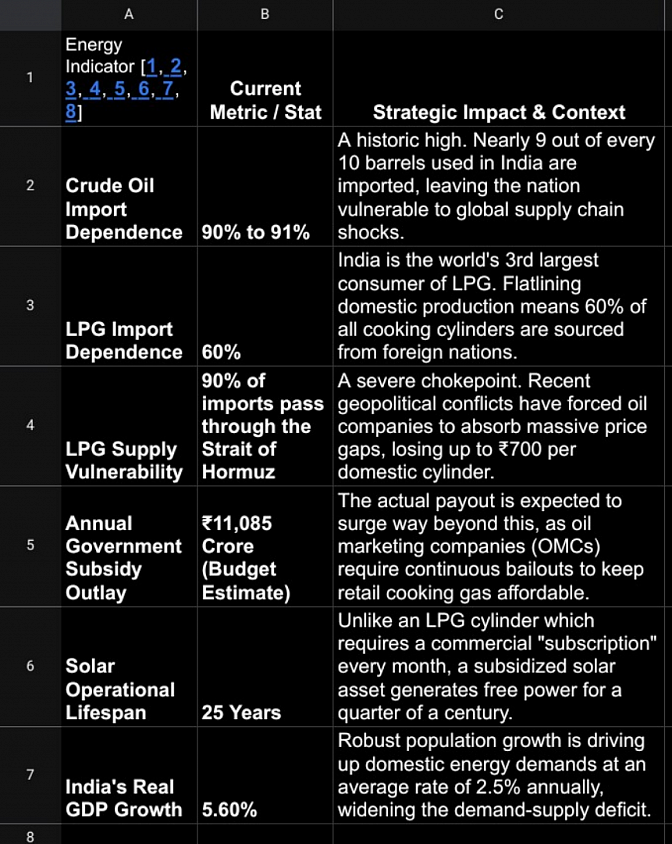
The Numbers Behind the Energy Crisis: India’s Fuel Paradox
To understand the sheer scale of India’s economic drain due to imported fossil fuels versus the untapped potential of renewable infrastructure, look at the official 2025–2026 data: In the image.
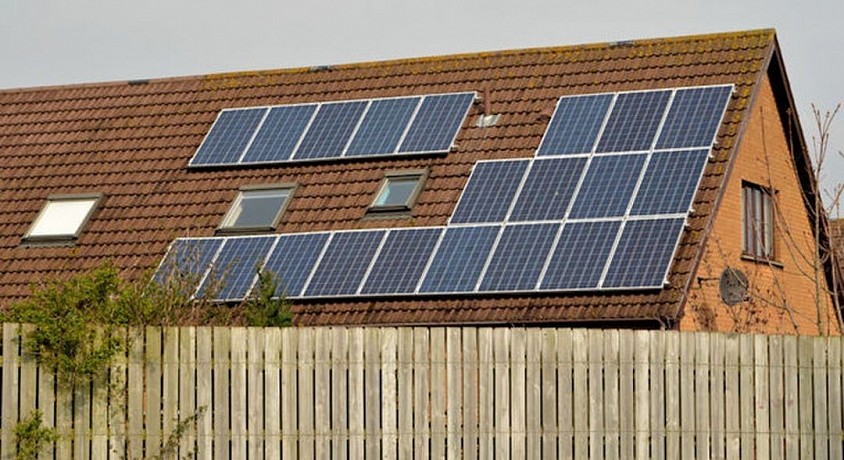
Rooftop Solar panel
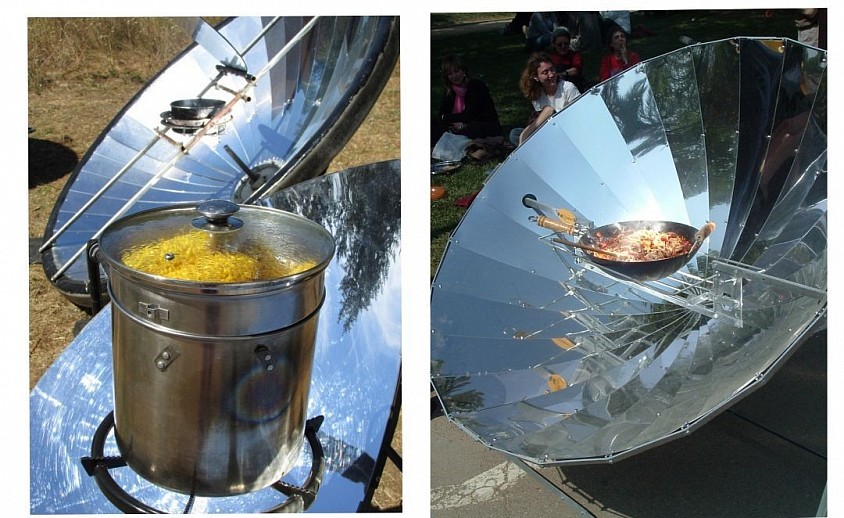
Solar cooking
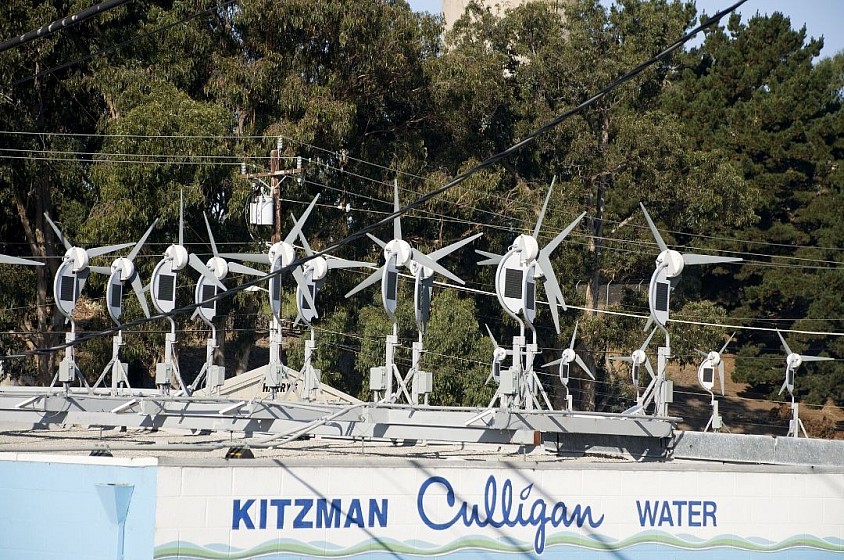
Urban wind turbines

Asaram bapu, Gurmeet Ram Rahim
Systemic Failure: The Urgent Need to Institutionalise Women’s Safety in India
The recurrent granting of bail, parole, and legal leniency to convicted individuals—such as Gurmeet Ram Rahim and Asaram Bapu—marks a severe compromise in public decency and the institutional safety of women across India. When the justice system repeatedly relaxes the confinement of convicted sexual offenders, it sends a dangerous signal to society and undermines the confidence of citizens in state protection.
A Growing Crisis and Governance Deficit
Statistical indicators reveal an alarming rise in incidents of gender-based violence, sexual assault, and severe crimes against women and children across the country over the last several years. Despite this escalating crisis, top legislative leadership, including the Prime Minister and Home Minister, have consistently failed to offer decisive accountability, policy overhauls, or public reassurance.
Instead of prioritising rigorous structural safety, administrative machinery remains heavily occupied with partisan goals: targeting opposition leadership through executive agencies, fracturing coalitions, and focusing exclusively on electoral majorities. This represents a fundamental abdication of basic governance. A state capable of managing macroeconomics, fostering progressive policy making, and implementing swift remedial actions should, first and foremost, guarantee the security of 50% of its population.
Dismantling Patriarchal Regimes
Indian women enjoy constitutional liberties and independent voices today solely because of generations of struggle against institutional patriarchy. However, the current ruling establishment’s ideological alignment perpetuates a regressive, patriarchal approach to civic and religious life, directly threatening these hard-earned advancements in women's empowerment and dignity.
True safety requires structural intervention at both the community and state levels:
Cultural Reform: As communities and parents, there is an urgent need to instil a strict culture of consent, behavioral accountability, and gender sensitivity in young men to prevent the generation of further criminal mindsets.
Judicial Accountability: Individuals convicted of heinous crimes against women must face the absolute maximum sentences permitted by law. Executive allowances, political paroles, and routine bail conditions for such felons must be permanently terminated.
A Call for Collective Political Action
Women across India must demand accountability not only from the current ruling dispensation but also from an opposition apparatus that historically sidelined gender security in policy frameworks. Our voting rights are our premier democratic tool to enforce social reform, demand equal socioeconomic opportunities, and ensure complete institutional justice.
The time has come to reject political and religious organizations that compromise on safety, and instead back leadership dedicated to absolute gender equality and public safety.
Stand with us to demand immediate legislative overhauls and stricter safety protocols across India.
👉 Sign our official petition for women's safety: Change.org Petition Link
https://www.change.org/p/indian-women-s-right-to-stricter-laws-for-women-s-safety-and-to-bear-arms-for-self-defence?recruiter=1415565838&recruited_by_id=8e3ac390-5487-11f1-b134-656fb4e9deb4&utm_source=share_petition&utm_campaign=petition_dashboard&utm_medium=copylink
📷 Image Credits:
Ram Rahim photo by Auroraaddy via Wikimedia Commons / CC BY-SA 3.0
Asaram Bapu photo by Unique Trooper via Wikimedia Commons / CC0 Public Domain
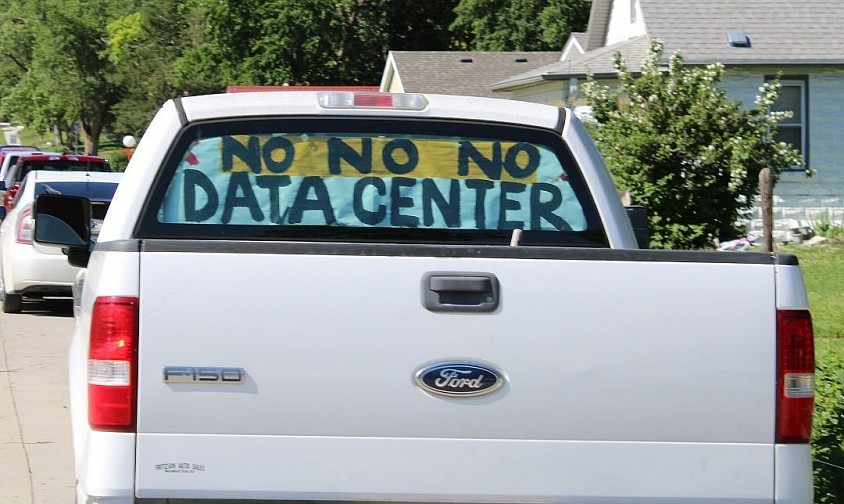
Say no to data centres
The Digital Drought: The Hidden Thirst of AIWhy Today’s AI Infrastructure is Impractical, and How We Build a Sustainable Future.
By Parvathi Haritsa
Founder - Adityahridayam Foundation
Founder President - Prajaahriday National Party.
Greenhearts Flora Restoration Society is an outreach initiative by Adityahridayam Foundation to successfully sustain an ecologically rich planet for the future of human existence.
Greenhearts Flora Restoration Society proposes this alternative to the current AI data centres crisis through changes in policies in India and abroad to be improvised for an efficient green planet. We approach Prajaahriday National Party through their Waterhouse - A Clean Water Initiative to take up our proposal to urge the governments across the world to implement our policy changes.
The artificial intelligence boom is marketed as an invisible, weightless cloud of pure logic. In reality, it is heavy, hot, and devastatingly thirsty.
As a political movement dedicated to the future of our communities and the protection of our environment, we must confront a harsh reality: the current design of AI data centers is fundamentally impractical. We are heartlessly skinning Mother Earth of her greenery and draining her lifeblood to power digital algorithms.
But our goal cannot simply be to shut down technological progress. Instead, we must enforce a radical, sustainable pivot. We must protect our rivers, stop the corporate commodification of water, and force the tech sector to grow with nature, not at its expense.
The Hidden Crisis: AI’s Insatiable Thirst.
We often hear that AI is hungry for data. What they do not tell you is that it is just as thirsty for water. To understand why today’s data centers are impractical, we must look at how they operate:
Sweating Out the Heat: AI workloads rely on thousands of high-performance Graphics Processing Units (GPUs) running 24/7. These chips generate intense, destructive heat. To keep them from melting, data centers use evaporative cooling towers. They literally spray billions of liters of pristine, potable water into the air, allowing it to evaporate as steam to carry the heat away.
A Small Town in a Single Building: A single large data center can evaporate up to 19 million liters (5 million gallons) of water every single day. That is the equivalent daily water usage of an entire small town, vanished into thin air.
The Double Consumption: The problem runs deeper than the facility itself. The massive amounts of electricity required to power these centers are often generated by traditional thermal or gas power plants, which consume billions more liters of water for steam generation and off-site cooling.
The Corporate Trap: Premium Pricing vs. Human Rights
There is a growing, dangerous whisper among global technocrats that water scarcity could be an "opportunity" for governments to start selling water at premium prices. We must vehemently reject this.
Using a crisis created by wealthy tech conglomerates as an excuse to privatize and monetize water is an attack on human rights. Premium pricing will not magically create more water; it will simply allow tech giants to outbid local farmers, small businesses, and families for a basic survival resource. This is already causing severe friction in water-stressed regions, where local communities are actively pushing back against data infrastructure out of fear that their aquifers will be drained dry. Water must remain a public trust, not a corporate luxury asset
Beyond Water: The Neighboring Obstacles
The impracticality of today’s AI infrastructure extends far beyond the water tap. When a massive data center drops into a locality, it brings a host of severe, practical obstacles for neighboring communities:
Grid Strain and Blackouts: Data centers are energy vampires. They pull massive, steady loads of electricity from the local grid. In many regions, this surges local energy demands, driving up electricity bills for residents and increasing the risk of rolling blackouts during peak seasons.
Ecosystem Destruction (Skinning the Greenery): Building these massive concrete fortresses often requires clearing vast tracts of forests and natural landscapes. This strips away the natural canopy, disrupts local wildlife, and creates "heat islands" that worsen regional warming.
Disruption of the Water Cycle: Deforestation and concrete expansion prevent the ground from holding water. Without forests and healthy landscapes to withhold and channel rainwater, precipitation simply runs off, leading to soil erosion, flash floods, and accelerated evaporation of our remaining natural water sources.
The Solution: Building a Sustainable Tech Landscape
We do not need to ban AI, but we must fundamentally rewrite the rules of its existence. We are currently in the "1980s computer stage" of AI—an era of bulky, inefficient, brute-force infrastructure. Just as the computers of the 80s eventually evolved into hyper-efficient microchips, AI infrastructure must undergo a rapid green evolution.
Here are the policy changes our movement champions to make AI practical and sustainable:
1. Mandate Zero-Water Cooling Technologies
Tech companies must be legally barred from evaporating our drinking water. The industry must transition immediately to Waterless Liquid Immersion Cooling. By submerging servers in specialized, non-conductive, non-evaporative fluids or oils, heat can be transferred via closed-loop systems that require zero ongoing water consumption.
2. Enforce 100% Circular Water Recycling
If a data center must use liquid cooling, it should be banned from touching fresh municipal water lines. Governments must mandate the use of internal closed loops and treated municipal wastewater (sewage and industrial water purified strictly for industrial use). Furthermore, facilities must implement rainwater harvesting systems to replenish local aquifers rather than depleting them.
3. Global Eco-Restoration and River Protection
To run data centers, all countries must join hands in an unprecedented ecological effort. We must enrich our greenery, expand our forests, and aggressively clean up our rivers. A healthy, forested landscape naturally regulates local climates, ensures regular scheduled rains, blocks excessive evaporation, and securely channels water into the ground. Tech companies must be heavily taxed to directly fund these massive reforestation projects.
4. Geographic Accountability (Climatic Siting)
It is highly impractical to build massive data centers in hot, drought-prone, or heavily populated agricultural zones. Future data infrastructure must be legally directed to naturally cold climates or coastal areas where deep, cold ocean or lake water can be utilized for cooling and safely returned to the source without evaporation.
5. Policy changes by the Government
Such companies should mandatorily invest 35% of their profits as taxes through CSR activities for
(I). Afforestation of the region of their establishments.
(ii). Switch to renewable energy rather than hydro & thermal electricity.
(iii). Sustain natural aqua channels in the region to ensure native folks are not deprived of their daily needs for consumption and for agriculture of the region.
(iv). Data centres should establish and maintain hospitals, soil & water conservation research facilities to ensure their centres are not causing health hazards due to proximity to humans, flora and fauna of the region.
(v). All data centres are to be housed in the colder or coastal regions of any country to use their natural resources rather than draining inland water.
Without companies agreeing to these conditions data centres should be denied licences and should be shut down.
Conclusion: A Choice for Our Future
Technology should serve not just humanity but all life forms on earth and elevate our potential, not compromise the very planet that keeps us alive. We cannot sit idly while the digital cloud evaporates our rivers and starves our soil.
Our political and environmental vision is clear: We demand a sustainable planet where innovation honors ecological boundaries. We will hold tech conglomerates accountable, protect our public water resources, and ensure that the progress of today does not cost us life earth on earth tomorrow for our future generations.
Join the conversation: How is infrastructure expanding in your local area? What environmental changes are you noticing? Let us know in the comments below, and share this post to help spread the word!
#greeheartsflorarestorationsociety
#adityahridayamfoundation
#panchamipubliccharitabletrust
#SustainableAI #ProtectOurWater #GreenPolitics #EcoFuture
#prajaahridaynationalparty
📷 Image Credits:
Anti data centres sentiments in rural kansas neighbourhood by Catboy69 via Wikimedia Commons / CC BY-A 4.0
Server room at CERN (Switzerland) by Florian Hirzinger via Wikimedia Commons / CC BY-SA 3.0
SIFY side upper Gachibowli Hyderabad India Nov22 by Timothy A Gonsalves via Wikimedia Commons / CC BY-SA 4.0
Serverroom of Balticservers by balticservers.com via Wikimedia Commons / CC BY-SA 3.0
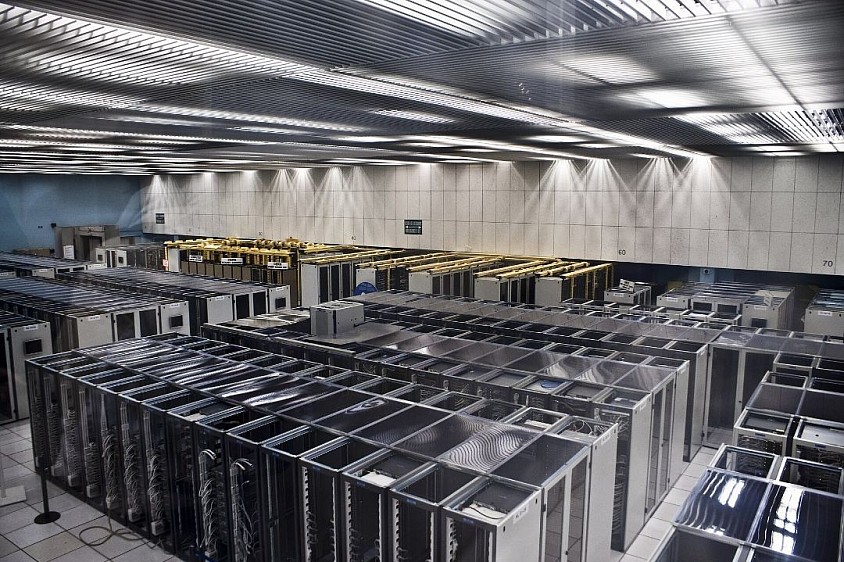
Data centre server room

Sify data centre, Hyderabad

Data centre